
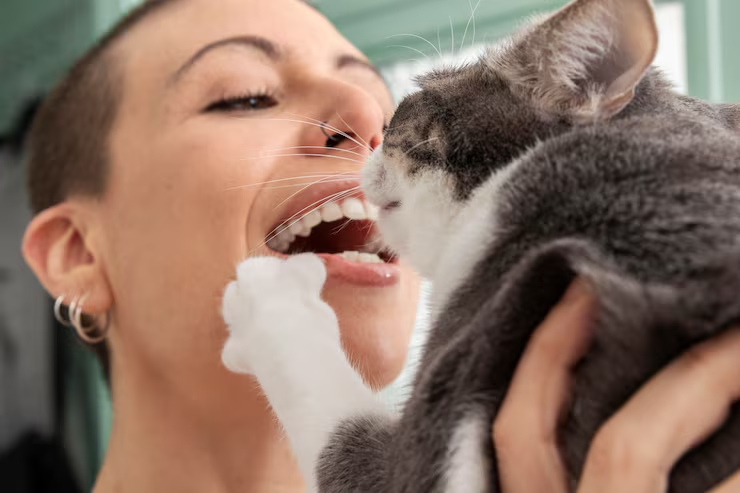
Bad breath in cats, known as halitosis, affects many pet owners and often stems from plaque buildup or early dental disease. Dental treats for cats provide an easy, enjoyable way to combat this issue by mechanically cleaning teeth and freshening breath naturally.
Understanding Cat Halitosis and Dental Problems
Cats develop bad breath from bacteria on teeth and gums forming plaque, which hardens into tartar if untreated. Periodontal disease impacts up to 70% of cats over age three, causing gingivitis, tooth loss, and pain that affects eating and grooming. Symptoms include yellow-brown tartar, red & inflamed gums, drooling, or pawing at the mouth.
Diet plays a role too – dry kibble helps somewhat, but soft foods promote plaque. Breeds like Persians or Maine Coons face higher risks due to dental structure. Early signs appear subtle, but ignoring them leads to costly vet cleanings under anesthesia.
Regular home care prevents escalation. Brushing works best, but most cats resist it. Dental treats fill this gap as a tasty alternative.
Why Dental Treats Work for Cats?
Dental treats feature crunchy textures that scrape plaque from tooth surfaces during chewing, mimicking natural grooming. Enzymes like glucose oxidase or abrasives like sodium bicarbonate break down bacteria, while binders like wheat gluten hold shapes for prolonged gnawing.
The Veterinary Oral Health Council (VOHC) approves products proven to reduce tartar by at least 28%. Studies show consistent use cuts plaque by 20-50% over 30 days. Breath freshens from chlorophyll, parsley, or mint extracts, neutralizing odors without masking.
Unlike human mints, cat versions stay palatable with fish, chicken, or tuna flavors. Low calories (2-5 per treat) prevent weight gain, making them ideal for indoor cats.
Top Benefits Beyond Fresh Breath
Dental treats offer multiple advantages for feline health.
- Plaque and Tartar Control: Ridged designs target molars where buildup occurs most, reducing gingivitis risk.
- Gum Health Support: Massaging action improves circulation, strengthening tissues.
- Behavioral Boost: Chewing relieves stress, curbing destructive habits like scratching furniture.
- Convenience: No tools needed – treats double as rewards post-meals.
- Cost-Effectiveness: A 30-treat pouch lasts weeks, cheaper than professional cleanings at $500+.
Owners report 80% fresher breath within two weeks when fed daily.
Reviewing the Best Cat Dental Treats
Selecting top products ensures efficacy and enjoyment. Here are standout options incorporating best cat dental treats standards.
| Product | Key Features | VOHC Approved | Price Range (30 treats) | Best For |
| Greenies Feline Dental Treats | Oven-baked crunch, taurine-enriched, chicken flavor | Yes | $5-7 | All ages, tartar reduction |
| Temptations Breath Treats | Soft-crunch hybrid, parsley-infused, multiple flavors | No | $3-5 | Picky eaters, breath focus |
| Purina Pro Plan DentaLife | Dual-texture, 52% less tartar claim, salmon variety | Yes | $6-8 | Senior cats, gum health |
| Whimzees Cat Treats | Plant-based, long-lasting chew, peanut butter taste | No | $4-6 | Grain-free diets |
| Virbac C.E.T. Enzymatic Chews | Dual-enzyme formula, pork flavor, vet-recommended | Yes | $7-10 | Severe plaque cases |
Greenies lead sales due to proven results-feed 8-12 daily based on weight. Temptations appeal for affordability and acceptance rates over 90%. Always check labels for recalls or allergens.
How to Choose the Right Dental Treats?
Match treats to your cat’s profile for success.
- Age-Specific: Kittens need softer versions; seniors benefit from softer chews to avoid fragile teeth.
- Size and Weight: Small breeds get mini sizes; use charts for portions (e.g., 2-5 treats for 5-10 lb cats).
- Dietary Needs: Grain-free for allergies; low-fat for overweight pets.
- Flavor Preferences: Test samples – tuna outsells beef 3:1.
- Certifications: Prioritize VOHC, natural ingredients and no artificial colors.
Consult vets for diseased mouths. Transition gradually, mixing with regular treats over a week.
Daily Feeding and Usage Guide
Incorporate treats seamlessly.
- Offer post-meals when plaque forms most.
- Provide fresh water nearby to aid rinsing.
- Start with 3-5 pieces, increasing to the recommended daily max.
- Store airtight to maintain crunch.
- Rotate flavors monthly to prevent boredom.
Monitor intake-treats count toward 10% of calories. Pair with dental toys like sisal ropes for amplified effects.
Combining with Other Oral Care Routines
Treats shine in a multi-step regimen.
- Weekly Brushing: Use an enzymatic gel and a finger brush 2-3 times weekly.
- Water Additives: Pour-on formulas like Oxyfresh reduce bacteria by 50%.
- Professional Cleanings: Annual vet exams catch issues early.
- Diet Tweaks: Prescription dental kibble like Hill’s t/d boosts results library
Holistic add-ons include coconut oil swipes or chamomile rinses, but evidence varies.
Real Owner Stories and Results
Many report transformations. One user shared, “My tabby’s breath went from fishy to fresh in 10 days with Greenies-no vet bill needed.” Track progress by breath checks weekly and dental photos monthly.
Challenges include rejection solutions: warm treats or hand-feeding. Overfeeding risks obesity, so weigh cats bi-monthly.
Potential Drawbacks and Precautions
Not miracle cures-severe cases need vets. Choking risks exist for gulpers; supervise initially. Calorie-dense options suit active cats only.
Allergies to grains or proteins affect 1-2%-watch for itching or vomiting. Pregnant queens avoid extras.
Long-Term Maintenance for Healthy Smiles
Sustain gains with routines. Budget $20 monthly for treats. Apps like PetDesk track dental logs.
Fresh breath signals thriving health. Invest now for happier, pain-free years ahead.
Conclusion
Dental treats for cats offer a simple, tasty path to combating halitosis, plaque, and periodontal woes that plague indoor felines. From Greenies’ proven crunch to Whimzees’ plant-based chews, the cat dental treats deliver plaque control, gum health, and stress relief without the fight of brushing.
Integrate them into daily routines alongside brushing, diet tweaks, and vet checkups for lasting results; think pain-free eating, happier grooming, and kisses without the whiff. Stock up on these essential cat supplies now at Kwik Pets, track progress with weekly sniff tests, and watch your cat’s breath (and bond) transform.
Ready to ditch the dragon breath? Share your cat’s dental treat wins in the comments. What’s their favorite flavor and how fresh is their smile now? Your story could help another pet parent!
FAQs
What are the best dental treats for cats with bad breath?
The best dental treats for cats with bad breath are vet-approved options like Greenies, Purina Dentalife, and Virbac C.E.T., which help reduce plaque, control odor-causing bacteria, and freshen breath when given daily.
How do I fix my cat’s stinky breath?
Cat bad breath (halitosis) is usually caused by plaque and tartar buildup, affecting up to 70% of cats over the age of three. Dental treats help by mechanically scraping teeth, using enzymes to reduce bacteria, and naturally freshening breath, with daily use shown to reduce plaque by approximately 20–50%.
How often should a cat give dental treats?
Most cats can be given dental treats daily, usually 2–12 treats depending on weight (for example, 8–12 treats for a 7–11 lb cat), fed after meals and kept within 10% of daily calories; start slowly, rotate flavors, and always provide water for best results from quality cat dental treats.
At what age can cats have dental treats?
Most cats can have dental treats starting around 6 months of age, once their adult teeth have fully developed.
Do dental treats actually clean cats’ teeth?
Yes, dental treats can help clean cats’ teeth by mechanically reducing plaque and bacteria, but they work best as a supplement and a replacement for regular dental care.