
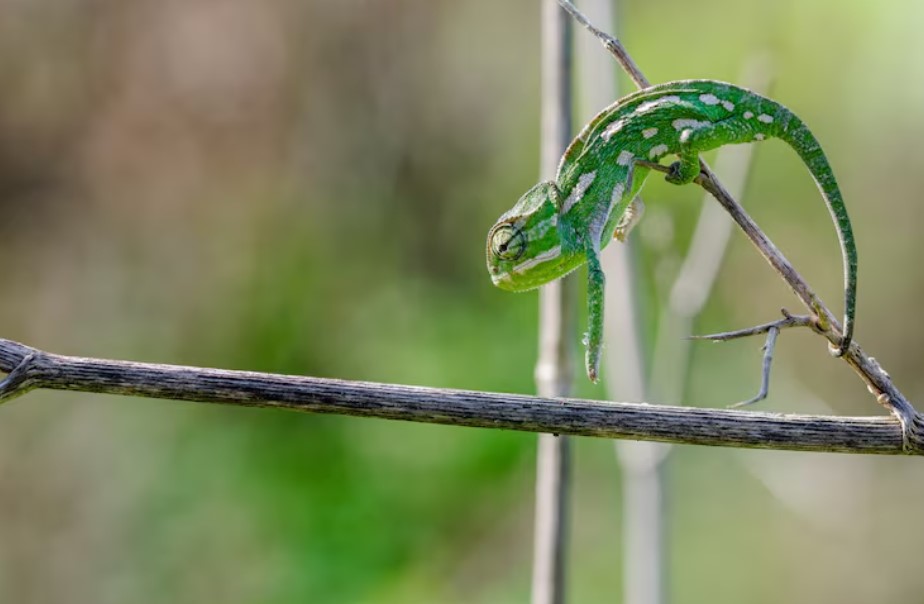
Reptiles depend on their environment to regulate body temperature. They move between warm and cool areas of their enclosure based on their needs. This makes accurate temperature monitoring a key part of daily reptile care.
Good reptile thermometers help owners check whether heating lamps, ceramic emitters, and heat mats are creating safe conditions. A temperature reading can also show whether the enclosure has a proper gradient instead of a uniform temperature.
Humidity matters too. A snake, gecko, turtle, or tropical lizard may need a different moisture level. Using a reliable thermometer for reptiles, a hygrometer, and suitable humidity equipment helps owners manage these conditions more safely.
Why Accurate Temperature Control Matters
Different reptile species need different temperature ranges. Even closely related animals may not require the same warm-side, cool-side, or basking temperatures.
Reptile enclosures should generally provide a temperature gradient. This allows the animal to choose a warmer or cooler area instead of remaining at one fixed temperature. Temperature, humidity, lighting, and enclosure design can also affect feeding behavior and general health.
Incorrect temperatures may affect:
- Digestion
- Appetite
- Activity
- Sleep
- Shedding
- Immune function
- Normal behavior
A thermostat helps control a heater, but it should not be treated as the only source of temperature information. Owners should verify the actual enclosure conditions with separate measuring tools. The RSPCA recommends checking temperatures with digital or infrared thermometers even when heating equipment is connected to a thermostat.
Main Types of Reptile Thermometers
The best thermometer depends on what you need to measure. Some tools measure air temperature, while others measure the temperature of a surface.
The most common options include:
- Digital probe thermometers
- Infrared temperature guns
- Digital thermometer and hygrometer units
- Aquatic thermometers
- Analog dial or strip thermometers
Many enclosures benefit from using more than one type. A probe can track the air temperature continuously, while an infrared device can check the exact surface where a reptile basks.
Digital Probe Thermometers
Digital probe thermometers include a display connected to a small sensor by a wire. The probe stays inside the enclosure while the display usually remains outside.
These are among the most useful reptile thermometers because they can provide an ongoing reading from a specific area.
A probe thermometer can be used to measure:
- Air temperature near a hide
- Temperature at the warm end
- Temperature at the cool end
- Conditions near a basking platform
- Water temperature, when designed for aquatic use
Place the probe at the same height or location where the reptile spends time. A thermometer attached near the top of the enclosure may not show the conditions at ground level.
For example, VCA advises placing a thermometer near the height where a snake basks so the reading reflects the temperature experienced by the animal.
Choose a device with a clear display, a secure probe, and a useful temperature range. Some digital models also store minimum and maximum readings, which can help identify temperature changes overnight.
Infrared Temperature Guns
An infrared thermometer provides a quick surface temperature reading without touching the object. Owners point it at a basking rock, branch, substrate, hide, or other enclosure surface.
This tool is especially useful for checking:
- Basking surfaces
- Heat mat areas
- Rocks and branches
- Warm and cool zones
- Turtle basking platforms
The RSPCA recommends infrared thermometers for checking both basking and cool areas in several reptile care setups.
An infrared device measures surface temperature, not the surrounding air. This means it should not fully replace a digital probe thermometer.
For example, a basking rock may feel much warmer than the air around it. Both readings can matter when checking whether the reptile can rest safely in that location.
Hold the device according to its instructions and aim at the exact area used by the reptile. Readings from glass, shiny surfaces, or a long distance may be less useful.
Analog Thermometers
Analog dial and adhesive strip thermometers are inexpensive and easy to find. However, they may be less precise than quality digital devices.
An analog thermometer may provide a general idea of temperature, but it should not be the only tool used in a carefully controlled reptile habitat.
Common problems include:
- Slow response to temperature changes
- Difficult-to-read markings
- Placement too high or too far from the reptile
- Adhesive failure
- Limited accuracy
Owners who currently use an analog model should compare its reading with a digital probe or infrared thermometer. Replace it when readings are unclear or inconsistent.
How Many Thermometers Does an Enclosure Need?
One thermometer in the center may not show the full temperature gradient.
Many habitats benefit from at least two monitoring points:
- One near the warm end
- One near the cool end
VCA recommends monitoring both the warmer and cooler areas in reptile enclosures, either with separate thermometers or a point-and-shoot device.
A basking species may also need a separate surface reading directly below the heat lamp.
For an aquatic turtle setup, owners may need:
- A thermometer for the water
- A thermometer for the basking area
- A reading for the surrounding air
VCA notes that an aquatic thermometer can be used to track changes in turtle water temperature.
Correct Thermometer Placement
Correct placement is just as important as choosing a good thermometer for reptiles.
Place temperature sensors where the animal actually spends time. Consider whether your reptile lives mainly on the ground, climbs branches, hides underground, or spends most of its time in water.
For a ground-dwelling snake or leopard gecko, place the sensor close to floor level. For a chameleon or arboreal gecko, measure conditions near the main climbing and basking areas.
Avoid placing the sensor:
- Directly against a heat bulb
- Outside the enclosure
- Too close to a ventilation opening
- At the top when the animal lives on the floor
- In direct sunlight from a nearby window
- Where water can damage a non-waterproof probe
Do not allow loose wires to create a trapping risk. Secure cables so the reptile cannot pull, climb, or become tangled in them.
Monitoring Humidity With a Hygrometer
A thermometer measures temperature. A hygrometer measures relative humidity.
Many products combine both functions in one digital unit. This can be useful, but owners should still position the sensor correctly.
Humidity requirements vary greatly by species. Merck provides different humidity ranges for reptiles based on their natural habitats and notes that enclosure humidity must match the animal rather than follow one general target.
A desert reptile may need relatively dry enclosure conditions. A tropical species may need higher humidity or regular short humidity increases.
Too little humidity may contribute to poor shedding and dehydration. Too much moisture may lead to skin or respiratory problems in species that need drier conditions. Merck warns that excessive humidity can cause skin issues in some reptiles.
Place the hygrometer where it reflects the area used by the reptile. Some enclosures may need readings from more than one location, especially when they contain a humid hide or misted section.
Using a Reptile Humidifier Safely
A reptile humidifier may include a fogger, misting system, or another device that raises moisture inside an enclosure.
These devices can be useful for tropical reptiles, but they should not run constantly without monitoring.
Choose a humidifier based on:
- Species requirements
- Enclosure size
- Ventilation
- Current humidity
- Substrate type
- Daily moisture cycle
Use a hygrometer to check the results. Do not assume the device is producing the correct humidity just because visible fog appears.
Clean the tank, tubes, and nozzles regularly. Standing water and dirty equipment can collect mineral deposits, mold, and bacteria.
Do not reduce ventilation simply to keep moisture trapped inside. Merck warns that reducing airflow to maintain temperature or humidity may contribute to respiratory and skin problems.
Some reptiles may not need a full reptile humidifier. A humid hide, larger water bowl, moisture-holding substrate, or controlled hand misting may provide enough local humidity.
Common Temperature and Humidity Mistakes
One common mistake is trusting the thermostat display without checking the enclosure using a separate thermometer.
Other mistakes include:
- Using only one thermometer
- Measuring air temperature but not the basking surface
- Placing the sensor far from the reptile
- Using the same target temperature for every species
- Ignoring nighttime temperature changes
- Running a humidifier without a hygrometer
- Keeping a desert enclosure constantly damp
- Allowing condensation and poor ventilation
- Failing to replace weak batteries
- Using damaged or uncalibrated equipment
Record the warm-side, cool-side, and humidity readings each day when setting up a new enclosure. This makes it easier to notice patterns and adjust heating or moisture equipment safely.
Choose the Right Monitoring Setup
Start with a digital probe thermometer at the warm end and another reading at the cool end. Add an infrared thermometer when you need to check basking rocks, branches, substrate, or other surfaces.
Use a hygrometer for humidity and connect every heat source to a suitable thermostat. Add a reptile humidifier only when the species and enclosure truly require one.
Before buying reptile thermometers, check the accuracy range, sensor type, waterproof rating, display size, cable length, and battery requirements. Then place each sensor where it measures the conditions experienced by your reptile.
Frequently Asked Questions
1. What is the best thermometer for reptiles?
A digital probe thermometer is useful for continuous air readings, while an infrared thermometer is better for checking surface temperatures. Many enclosures benefit from using both.
2. How many reptile thermometers should I use?
Most enclosures need readings from at least the warm and cool ends. Basking or aquatic setups may need extra surface or water measurements.
3. Is a thermostat the same as a thermometer?
No. A thermostat controls a heating device. A thermometer measures the actual temperature. Owners should use both.
4. Where should a reptile thermometer be placed?
Place the sensor at the reptile’s normal height and near the area you want to measure. Check the warm end, cool end, and basking surface separately.
5. Do I need a reptile humidifier?
Only some habitats need one. The decision depends on the reptile species, enclosure ventilation, local climate, and current humidity. Always measure humidity with a hygrometer before and after using a humidifier.