
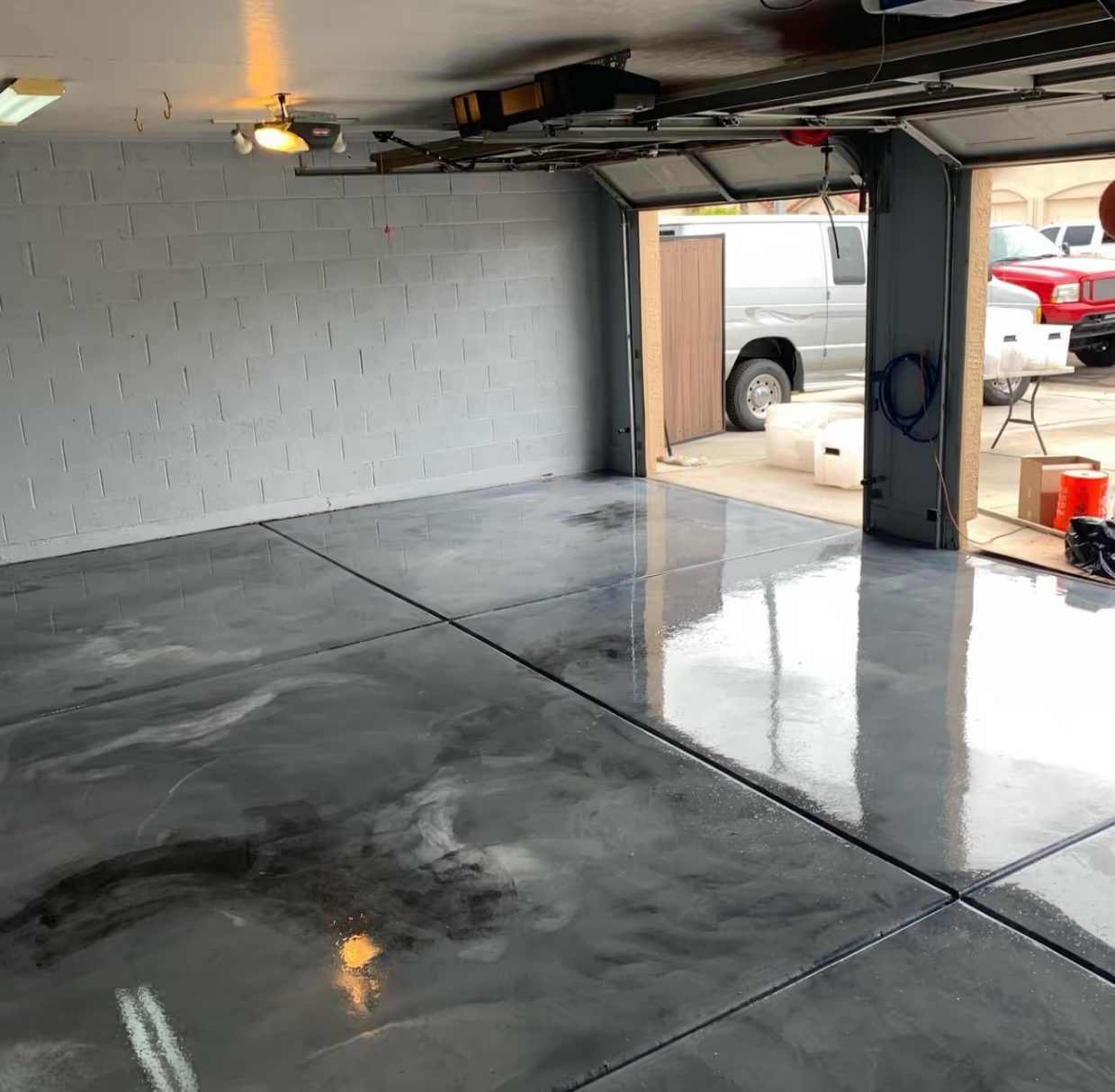
Phoenix is known for its desert climate, but summer brings a different set of challenges. Arizona’s monsoon season can produce sudden thunderstorms, strong winds, blowing dust, and intense rainfall. These conditions may affect garages, particularly where doors, drainage systems, or surrounding surfaces allow water and debris to enter.
Homeowners considering garage epoxy flooring should include seasonal weather conditions in their improvement plans. A finished floor may be part of a garage upgrade, but it cannot prevent flooding or correct drainage problems. Preparing the space for monsoon season requires attention to water movement, door seals, storage arrangements, and the condition of the existing concrete.
Sudden Rainfall Can Expose Drainage Problems
Desert landscapes can experience heavy rainfall over short periods during summer storms. Water may collect around driveways, garage entrances, and other low areas when drainage is inadequate. A garage positioned below the surrounding driveway level may be particularly vulnerable if runoff flows towards the door.
Homeowners can observe how water moves across the property during rainfall, provided it is safe to do so. Recurring pooling or water entering the garage deserves further investigation. Drainage improvements should address the source of the problem rather than relying on a floor coating to stop water entering the building.
Garage Doors Form an Important Boundary
The garage door is one of the largest openings in the building. Worn weatherstripping, damaged seals, or gaps around the door may allow dust, wind-driven rain, and debris to enter. Before monsoon season, homeowners can inspect visible seals and check whether the door closes correctly. Damaged components should be repaired or replaced using appropriate products and professional assistance where necessary.
The surrounding concrete also matters. Uneven areas near the entrance may influence how water approaches the opening. However, even well-maintained weatherstripping cannot guarantee protection against severe flooding. Properties with recurring water intrusion may require additional drainage or building improvements.
Windblown Dust Creates Cleaning Challenges
Arizona thunderstorms can generate powerful winds that carry dust and debris across residential areas. Garages may collect this material when doors are opened or gaps allow outdoor air to enter. Dust can settle on stored belongings, vehicles, workbenches, and floors. Keeping items in suitable containers and maintaining organized storage can make post-storm cleaning easier.
Homeowners should avoid unnecessary exposure during major dust storms, particularly when visibility and air quality are poor. Once conditions are safe, cleaning methods should reflect the installed floor and surrounding materials. Appropriate sweeping or other manufacturer-recommended procedures can help remove accumulated debris.
Existing Concrete Should Be Assessed Before Coating
Concrete may contain cracks, previous repairs, worn finishes, or other conditions that become more noticeable when the garage is cleared for renovation. Homeowners researching phoenix epoxy flooring should discuss these conditions with a qualified flooring professional before selecting a system.
Moisture assessment may also be necessary depending on the substrate and installation requirements. A coating should not be expected to conceal unresolved water intrusion or structural concerns. Professional preparation helps establish whether the existing concrete is suitable for the proposed finish and what work may be required beforehand.
Storage Placement Can Reduce Storm-Related Problems
A garage often contains belongings that are vulnerable to water damage, including cardboard boxes, documents, tools, and household equipment. Keeping sensitive items directly on the floor may increase their exposure if water enters during a storm.
Practical storage arrangements can include:
-
Raised shelving: Keep suitable belongings above the floor where practical.
-
Sealed containers: Protect appropriate items from dust and incidental moisture.
-
Clear entrances: Avoid storing equipment against garage doors.
-
Accessible supplies: Keep basic cleaning materials easy to locate.
-
Regular inspections: Check for visible water damage after storms.
These arrangements can improve organization, but they do not replace appropriate flood protection or drainage measures.
Storm Preparation Should Include Safety
Monsoon storms can bring lightning, strong winds, and rapidly changing conditions. Garage preparation should therefore include personal safety rather than focusing only on property maintenance. Homeowners should avoid entering floodwater or attempting electrical repairs in wet conditions. If water reaches electrical equipment, qualified professional assessment may be necessary before it is used again.
After a storm, visible damage should be documented before repairs begin. Repeated water entry may require evaluation by drainage, building, or other relevant professionals. Preparing before the season begins is generally more practical than attempting major changes during severe weather.
Conclusion
Phoenix’s monsoon season creates challenges that differ from the city’s usual dry conditions. Sudden rainfall, windblown dust, drainage problems, and worn garage-door seals can affect how well a garage withstands summer storms. Flooring improvements may contribute to the space’s appearance and maintenance, but they cannot replace effective drainage or appropriate building repairs. By inspecting entrances, protecting stored belongings, assessing existing concrete, and addressing recurring water intrusion, homeowners can prepare their garages more thoughtfully while keeping safety central to their seasonal maintenance plans.