
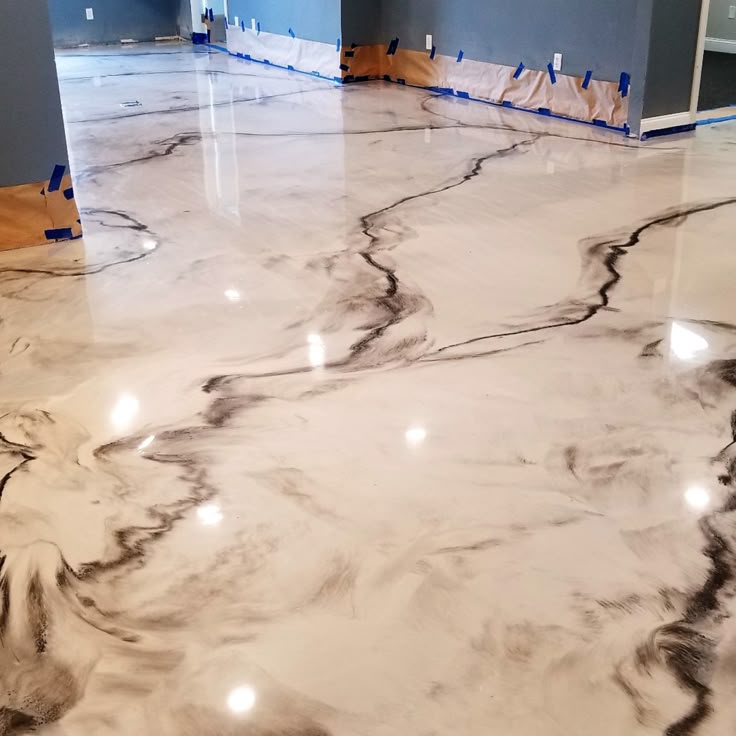
A decorative floor can completely change the feel of a basement, showroom, studio, or entertainment area. When homeowners explore metallic epoxy flooring, the visual effect is often what gets attention first. Swirls, depth, and movement can make a plain concrete slab feel like a finished design feature.
Still, appearance is only one part of a successful installation. The condition of the slab, how the space is used, surface preparation, topcoat selection, and future cleaning habits all influence how the floor performs.
Look at the Concrete Before Choosing the Finish
Decorative coatings are applied over concrete, so the slab underneath matters. Cracks, old coatings, adhesive residue, stains, uneven patches, or moisture concerns should be identified before a new system is installed.
This is where concrete repair becomes part of the planning process. Damaged areas may need to be filled or patched before coating work begins. Repairs may not make every mark invisible, but they help create a more suitable base for the next steps.
Understand Why Preparation Takes Time
Good preparation is rarely the most exciting part of a flooring project, but it strongly influences the result. A coating needs a properly prepared surface so that it can bond effectively.
Mechanical grinding is commonly used to remove weak material, contaminants, and previous finishes while creating the required surface profile. The floor is then cleaned and evaluated before primer or coating layers are applied.
Skipping or rushing these steps can create avoidable problems later. A decorative finish looks better when the surface underneath receives the same level of care.
Expect Natural Variation in Metallic Effects
Metallic floors are designed to have movement and variation. Their appearance develops as pigments interact during application, so the finished surface is not meant to look like printed tile or a repeating manufactured pattern.
That uniqueness is part of the appeal. Two rooms using similar colors can still look different because of application technique, lighting, slab layout, and the way the metallic material settles.
Samples are therefore better viewed as inspiration than as an exact prediction of every swirl or highlight in the finished floor.
Match the System to the Room
A basement used as a family room has different needs from a retail space, workshop, or home gym. Foot traffic, furniture movement, spills, cleaning frequency, and sunlight should all be considered.
The coating system and topcoat should be selected around those conditions. Some areas may benefit from added grip, while others may prioritize a smooth, easy-to-clean finish with a strong decorative effect.
Thinking about daily use prevents the project from becoming a purely visual decision.
Use Color With the Whole Space in Mind
Metallic floors can become one of the strongest visual elements in a room. Wall colors, cabinets, lighting, furniture, and surrounding finishes should therefore be considered before choosing pigments.
A bold floor may work well in a simple room with neutral surroundings. A more subtle blend may suit a space that already contains strong textures or patterns.
Viewing color options under the room’s actual lighting can also help because natural daylight and indoor lighting may change how the finish appears.
Plan Around Installation and Cure Time
Decorative coating projects usually require the room to be cleared before work begins. Furniture, storage items, and equipment should be moved so the concrete can be prepared from edge to edge.
A metallic epoxy installation may involve grinding and surface preparation, crack repairs, an epoxy primer, the decorative metallic layer, and a protective topcoat. The exact sequence and project timeline can vary according to slab condition, system selection, and site requirements.
Return-to-service timing can depend on the system and job conditions, so owners should confirm when foot traffic and normal room use can safely resume.
Keep Future Cleaning Simple
A finished floor should be cared for according to the installer’s recommendations. Regular removal of dust and grit can reduce unnecessary abrasion, while spills are easier to manage when cleaned promptly.
Harsh cleaning products should not be chosen at random. Asking for maintenance guidance at the end of the project gives homeowners a clear routine to follow.
Periodic inspection is useful as well, especially in areas that receive heavier traffic or frequent furniture movement.
Conclusion
Decorative concrete flooring works best when visual design is supported by proper preparation and realistic planning. Slab condition, repair needs, room use, colour choices, installation timing, and maintenance all influence the finished result.
Homeowners and businesses interested in distinctive decorative flooring can explore metallic and related concrete systems through avid-epoxy.com. A carefully planned installation can turn plain concrete into a strong design feature without ignoring everyday performance.