
The investigation into the recent Delhi blast near Red Fort has taken a shocking turn. Authorities have discovered that a group of highly educated individuals, including doctors, allegedly used a university hostel room as their secret hideout to plan terrorist activities.
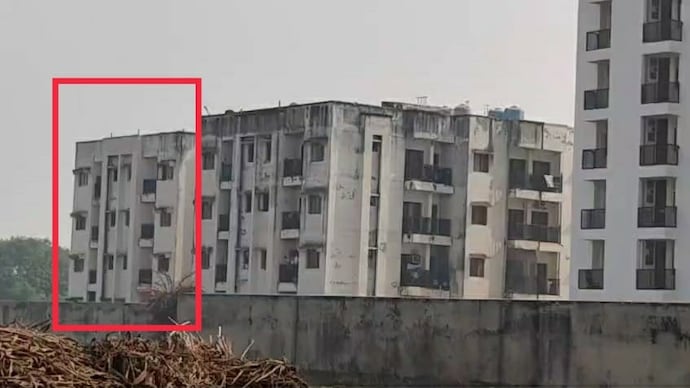
According to official sources, Room Number 13 in Building 17 of Al-Falah University, located in Faridabad, Haryana, served as the meeting and coordination point for a terror module with links to the banned organization Jaish-e-Mohammed (JeM).
This revelation has stunned investigators and the public alike, raising serious concerns about radicalisation in educational spaces and how educated professionals can be drawn into extremist ideologies.
The Discovery
Following the Red Fort blast in Delhi, which killed several people and left many injured, intelligence agencies began tracing digital footprints, call logs, and movement records of the suspects.
During this process, one name repeatedly surfaced — Dr. Shaheen Shahid, a former medical college lecturer from Lucknow who was arrested earlier for her alleged involvement in a terror module. Her interrogation led officials to a surprising location — Al-Falah University, a private educational institution in Faridabad, known for its engineering and medical programs.
When Delhi Police’s Special Cell and the National Investigation Agency (NIA) reached the campus, they discovered that Room 13, Building 17, in the girls’ hostel was being used not for study sessions, but for secret late-night meetings and planning discussions by the module members.
activecarefit.com | fixhomecomfort.com | rfindy.com
studyguruzone.com |investgalactic.com
How the Terror Cell Operated
Investigators say that the group was composed of highly educated individuals — including medical professionals, engineering students, and a few alumni from the same university. The key members reportedly met at the hostel under the pretext of academic discussions.
Room 13, located in a corner of Building 17, became their operational base. It was chosen because of its isolated position, minimal surveillance, and the fact that it was occupied by trusted individuals who were part of the module.
Sources revealed that laptops, hard drives, and handwritten notes seized from the room contained details of chemical substances, explosive triggers, and encrypted communications. The documents also included instructions received from handlers abroad, most likely from Pakistan-based Jaish-e-Mohammed operatives.
Officials suspect that the room was also used to radicalise and recruit other young students under the guise of religious discussions. The meetings often stretched late into the night, with coded messages exchanged over Telegram and Signal.
Role of the Doctors and Students
The involvement of doctors in the case has shocked many. Among the arrested are medical professionals who had completed their studies and were working in hospitals across Delhi and Lucknow.
Investigators believe their medical background was exploited to procure chemicals and substances that could be used to make explosives. Some were allegedly experimenting with chemical reactions and combustion methods in makeshift lab setups before finalizing their plans.
Dr. Shaheen, in particular, is said to have played a major coordinating role. Her background as a lecturer made her a respected figure, which she reportedly used to influence others into joining what she described as a “religious mission.”
According to interrogation reports, she also maintained contact with handlers across the border, sending regular progress updates and discussing possible targets in Delhi and nearby regions.
The Red Fort Blast Connection
The investigation into the Red Fort car blast on November 10 has now been linked to this network. The explosion, which took place near the Red Fort metro station, was caused by a parked car fitted with a gas cylinder and suspected explosives.
The main suspect, Umar Un Nabi, whose name appeared on the car’s registration (DL10CK0458), is believed to have been in contact with members from the Al-Falah group. Authorities believe Room 13 served as the brainstorming point for planning and logistics before the attack.
Officials are now tracing phone records, fund transfers, and travel histories of students and faculty who had any connection with the individuals named in the case.
Al-Falah University Responds
The management of Al-Falah University has distanced itself from the accused, stating that the institution was unaware of any such illegal activities. “We are fully cooperating with the police and investigative agencies. The university condemns any form of terrorism and is committed to maintaining peace and academic integrity,” said the university’s spokesperson.
Students on campus expressed shock and disbelief. “We used to see them around, but no one imagined they were involved in something like this,” said one student who lives in the same hostel block.
Authorities have sealed the room and taken several electronic devices and files into custody for forensic analysis. Hostel wardens and other staff are also being questioned to determine if they noticed any suspicious behavior in recent months.
A Growing Concern: Radicalisation in Academic Spaces
This case highlights a disturbing trend — the radicalisation of educated youth. Experts say that such cases are not new but have grown more complex in recent years due to social media and encrypted communication platforms.
Security analyst Ajay Sahni explained, “Extremist groups now target bright, educated individuals who can operate without drawing suspicion. Their intelligence, access to technology, and social status make them useful assets for terror outfits.”
Authorities are also examining whether similar recruitment patterns exist in other universities across northern India. Workshops and counseling programs are being considered to help identify early signs of radicalisation among students.
Next Steps in the Investigation
Delhi Police and the NIA have expanded their probe. They are now tracking multiple suspects who are believed to have fled to different states after the Red Fort blast. Surveillance footage, phone intercepts, and digital trail mapping are underway.
Investigators are also trying to find whether the accused had any financial backers within India or abroad. Early reports suggest that small amounts were sent through digital wallets and cryptocurrency transfers to avoid detection.
Forensic experts are expected to submit a detailed report on the materials seized from Room 13 within a week. This will likely help piece together how the plot was conceived and executed.
Public Reaction and Security Alert
The public has reacted with alarm over how a place of learning was turned into a terror hideout. Parents of university students have demanded stricter checks, improved monitoring, and better hostel supervision.
Meanwhile, security has been increased across all major educational institutions in Delhi-NCR, with police units conducting random checks of hostels and rented accommodations.
Officials have urged citizens to remain calm but alert. “If anyone notices suspicious activity in educational campuses, it should be reported immediately. Cooperation between citizens and security forces is key to preventing such threats,” said a Delhi Police official.
Conclusion
The discovery of a terror network operating from within a university hostel has shocked the nation. Building 17, Room 13 at Al-Falah University, once a quiet dorm space, has become the center of a high-stakes investigation linking academia and terrorism.
As India continues to uncover the layers behind the Red Fort blast, this case serves as a grim reminder that extremism can take root anywhere — even in classrooms meant for knowledge and progress.