
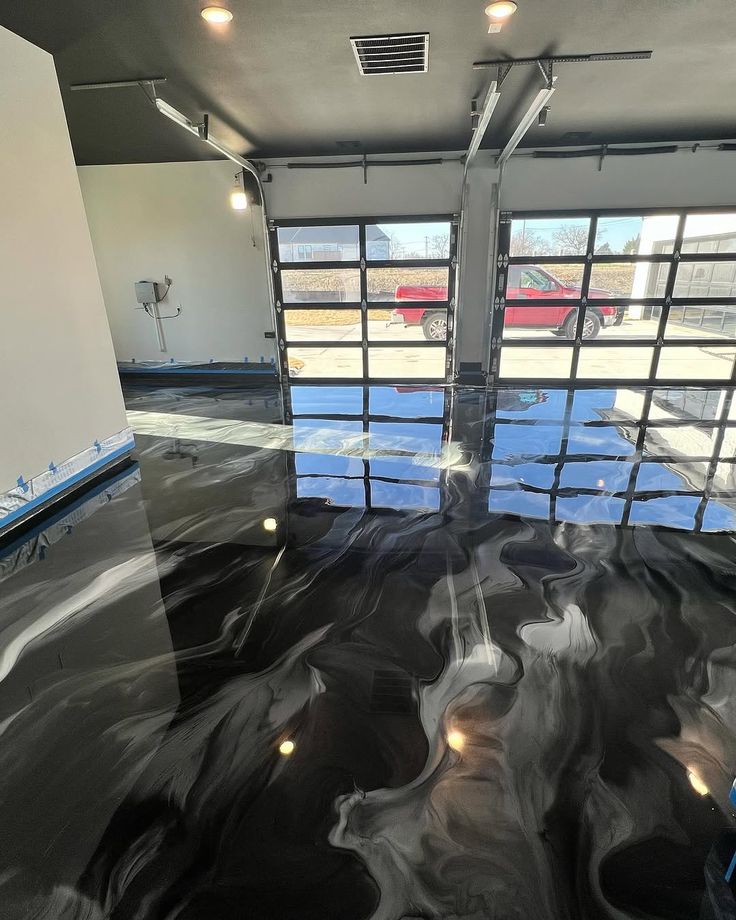
A garage is often treated as a simple utility area, but many modern households use it for much more than parking cars. It can become a workshop, storage room, hobby area, or even an extension of the home’s usable space. Because of this, the floor needs to handle regular movement, spills, dirt, and changing conditions. Epoxy flooring offers a practical way to create a hard-wearing surface while giving an otherwise plain concrete floor a cleaner and more finished appearance.
Why Garage Floors Need More Attention
Unfinished concrete can handle plenty of pressure, but everyday garage activity can gradually leave visible marks. Oil, grease, mud, vehicle fluids, dropped tools, and accumulated dust can make the surface difficult to keep clean. Cracks and small surface imperfections may also become more noticeable over time. A properly installed coating can provide an additional protective layer while making routine cleaning easier. This is especially useful for homeowners who want their garage to remain functional without constantly dealing with a worn or stained concrete surface.
How Epoxy Works on Concrete
Epoxy is generally installed over prepared concrete to create a bonded surface that is harder and more uniform than the underlying slab alone. The process typically begins with surface preparation, followed by the application of the selected coating system and any decorative elements. Once cured, the finished floor provides a seamless appearance with fewer areas where dirt can collect. The exact installation method depends on the existing concrete, the selected products, environmental conditions, and the way the garage will be used.
Creating a More Practical Garage
Good garage flooring should support the activities that happen in the space every day. Someone using a garage as a workshop may need a surface that handles tools and occasional spills, while another homeowner may mainly want easier cleaning around parked vehicles. A finished coating can make sweeping and washing the area more straightforward. It can also help create a more organised visual environment, particularly when the flooring is combined with storage cabinets, wall systems, lighting, and clearly defined work areas.
Appearance Can Be Part of the Design
Durability does not mean homeowners have to settle for a plain-looking floor. Modern coating systems can be customised through different colours, decorative flakes, textures, and gloss levels. These options allow a garage to match the home’s overall style or create a completely separate visual identity. Decorative flakes can also provide subtle variation across the surface while helping conceal minor everyday dust. The final appearance should be selected alongside practical requirements, rather than treating design as the only consideration.
Preparing the Concrete Properly
Preparation is one of the most important stages of a flooring installation. Concrete may contain oil residue, dirt, old coatings, moisture, cracks, or uneven areas that can affect adhesion. Simply applying a new material over an unsuitable surface can create problems later. Mechanical preparation, cleaning, repairs, and moisture assessment may therefore be required before the coating is installed. A professional assessment can help determine whether the existing slab is suitable and what preparation steps are needed for a consistent finished result.
Maintenance After Installation
One reason coated floors appeal to homeowners is the relatively simple cleaning routine they can support. Loose dirt can usually be swept or removed with suitable equipment, while everyday marks can be addressed through routine washing. However, maintenance requirements still depend on the specific coating system and the conditions inside the garage. Harsh chemicals should not be used without checking product recommendations. Promptly cleaning spills and avoiding unnecessary impact can also help preserve the floor’s appearance.
Considering the Whole Garage
Flooring works best when it is considered as part of the entire garage rather than as an isolated improvement. Storage needs, vehicle placement, workbench locations, drainage, lighting, and wall finishes can all influence how the finished area is used. A homeowner planning a workshop, for example, may have different priorities from someone creating a clean storage space. Thinking about these details before installation can help ensure the selected floor supports the property’s actual requirements.
Choosing a Suitable Professional
Every concrete slab has its own condition and history, so flooring projects should not be approached as though every installation is identical. A professional flooring provider can assess the surface, discuss available finishes, explain preparation requirements, and recommend an appropriate system. Asking about preparation, curing times, maintenance, and expected performance can also help homeowners understand what they are investing in. Clear communication before installation can prevent unrealistic expectations and make the entire project easier to manage.
Conclusion
A well-finished garage can become cleaner, more useful, and easier to maintain when the surface is selected around everyday needs. Epoxy systems can provide a practical combination of durability, appearance, and straightforward maintenance for modern residential spaces. Johnsons Flooring offers flooring solutions for homeowners looking to improve functional areas while maintaining a polished overall finish. Visiting johnsonsflooring.com.au can help property owners explore available flooring options and learn more about approaches suitable for different home environments. The right preparation, finish, and maintenance routine can help make the upgraded garage a valuable part of the property.