
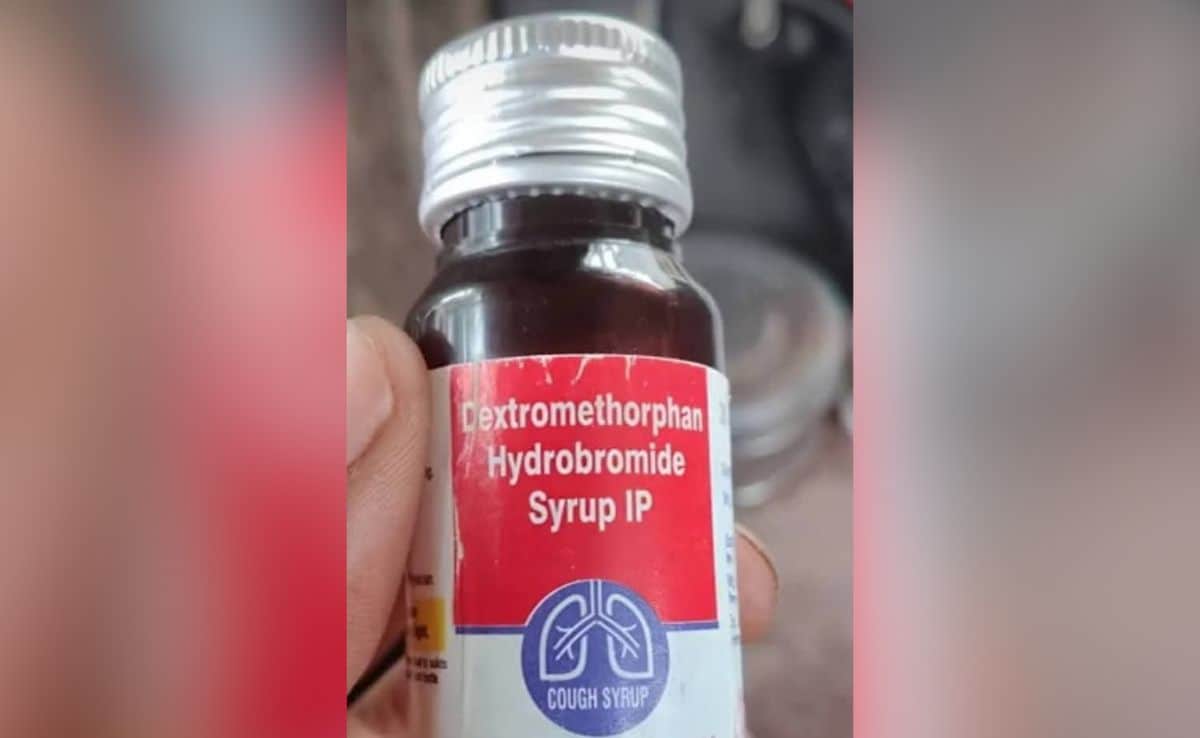
The tragic death of a child in Sikar district, Rajasthan, has once again highlighted systemic flaws in drug procurement and quality control in the state. Investigations reveal that the cough syrup linked to the death had failed 40 quality tests over the past two years, yet continued to be supplied through the state-run Rajasthan Medical Services Corporation Limited (RMSCL). This alarming revelation raises serious questions about the oversight mechanisms under Rajasthan’s free medicine scheme and the integrity of the state’s drug control system.
Background of the Incident
The incident occurred when a child consumed a cough syrup manufactured by Kaysons Pharmaceuticals, a company that has repeatedly come under scrutiny for producing substandard drugs. Following the child’s death, regulatory and media investigations began examining the syrup’s history. Shockingly, data revealed that multiple samples of the syrup had failed quality tests in different districts over the past two years, yet the product continued to be available in the market.
Quality Test Failures
Records indicate that forty samples of the cough syrup failed quality checks between 2020 and 2025. The failures spanned multiple districts:
-
Bhilwara – 2020 (1 sample)
-
Sikar – 4 samples
-
Bharatpur – 2 samples
-
Ajmer – 7 samples
-
Udaipur – 17 samples
-
Jaipur – 2 samples
-
Banswara – 2 samples
-
Jodhpur – 1 sample
These failures are symptomatic of systemic lapses in drug control and procurement. Even when a product was blacklisted for failing quality checks, it was reintroduced into the supply chain, sometimes with the collusion of private laboratories and officials.
TotoGoodGame.com | iaqve.com | sjbbei.com
pokergw.com | matterlifecycle.com | buyfunmagic.com
Procurement and Regulatory Loopholes
The state’s procurement system, primarily overseen by RMSCL, has relied heavily on private labs for drug testing. Although government laboratories exist, their limited use has resulted in inconsistent and sometimes unreliable results. Investigations reveal a troubling pattern: if a private lab declares a drug substandard, the manufacturer often obtains clearance from another lab, thereby securing new supply contracts despite failing previous tests.
This loophole in the quality assurance process has allowed substandard drugs to re-enter the tender process repeatedly. Kaysons Pharmaceuticals, the manufacturer of the cough syrup linked to the death, faced blacklisting after initial failures but was later allowed to participate in supply tenders again. Such practices indicate systemic weaknesses in regulatory oversight and procurement integrity.
Scale of the Problem
The issue is not isolated to one cough syrup. Investigative reports show that more than 100 drug samples fail quality checks every year under Rajasthan’s free medicine scheme. For example:
-
2024: 101 samples failed
-
2025 (so far): 81 samples failed
During the COVID-19 pandemic, the number of failed drug samples spiked, further highlighting vulnerabilities in procurement and testing protocols. Since January 2019, over 915 drug samples have failed, raising alarm about the safety and reliability of medicines distributed under the government’s free medicine scheme.
Impact on Public Health
The continued supply of substandard drugs has direct consequences on public health. Children, elderly patients, and individuals with chronic illnesses are particularly vulnerable. In the case of the Sikar child, the death underscores the potential fatal risks of consuming untested or substandard medicines. Families across Rajasthan rely on the free medicine scheme for essential healthcare, trusting that the drugs provided are safe. Repeated lapses undermine this trust and expose citizens to preventable health hazards.
Response from Authorities
Following the recent tragedy, the Rajasthan Drug Control Department has initiated inquiries into both the cough syrup and RMSCL’s procurement practices. While official action has been taken against Kaysons Pharmaceuticals, questions remain about the continued access to tenders and the role of private laboratories in certifying substandard drugs.
Authorities have pledged to strengthen quality assurance mechanisms and review the tender and procurement process to prevent similar incidents in the future. Some proposals under consideration include:
-
Mandating testing in government-approved laboratories only
-
Strengthening blacklisting procedures to prevent companies with repeated failures from re-entering the market
-
Enhancing transparency in procurement contracts and lab certifications
-
Periodic audits and stricter penalties for collusion between officials and manufacturers
Media and Public Reactions
The tragedy has sparked outrage among citizens and media outlets. Investigative reports by channels such as Aaj Tak and India Today have revealed the systemic nature of the problem, showing that the failure of a single drug is not an isolated event but part of a broader trend of regulatory laxity. Public discussions on social media have called for greater accountability, stricter regulations, and independent oversight to ensure the safety of medicines provided under government schemes.
Lessons and Recommendations
The cough syrup incident in Rajasthan offers several lessons for policymakers and regulators:
-
Strict Laboratory Oversight: Reliance on private labs without standardized protocols has created loopholes. Government-run laboratories with independent audits should handle drug testing.
-
Transparent Blacklisting: Once a drug fails multiple tests, manufacturers should be permanently banned from supplying medicines under government schemes. Temporary blacklisting with repeated reinstatement undermines public safety.
-
Procurement Integrity: RMSCL and similar bodies must implement stricter checks to ensure companies cannot circumvent regulations through collusion or manipulation of lab results.
-
Public Awareness: Citizens need to be informed about drug recalls and blacklisting so that they can avoid potentially harmful medications.
-
Legal and Administrative Action: Strong legal frameworks and administrative penalties should be introduced for companies and officials found guilty of negligence or collusion in drug procurement.
Conclusion
The death of a child in Sikar district due to a contaminated cough syrup is a grim reminder of the consequences of regulatory failure. Despite repeated quality test failures, systemic lapses in Rajasthan’s drug control and procurement processes allowed substandard medicines to continue circulating. This incident not only highlights the urgent need for stricter quality control and monitoring mechanisms but also calls for greater accountability and transparency in government healthcare programs.
For the millions of Indians who rely on free medicine schemes, these reforms are essential to ensure that public health is safeguarded and tragedies like this are prevented in the future. It is imperative that authorities act decisively to restore public confidence in the safety of essential drugs distributed under state-run programs.
