
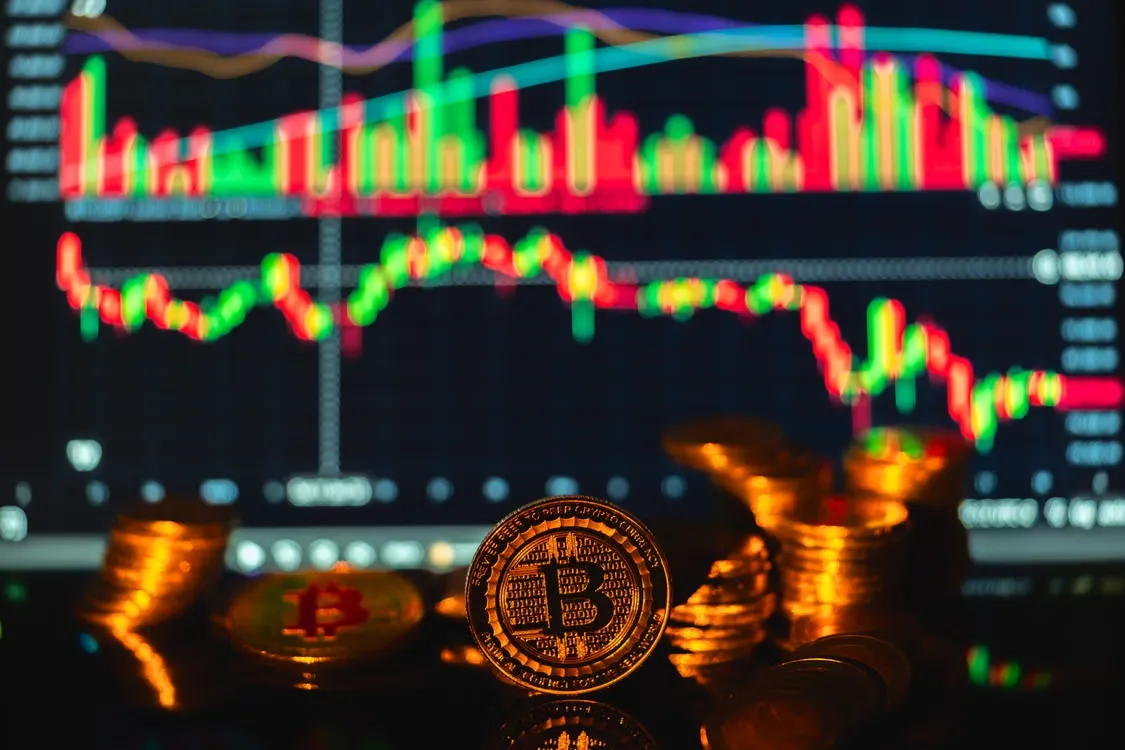
Bitcoin operates in a market where prices can change rapidly without following traditional stock exchange hours. Unlike shares that trade during scheduled sessions, cryptocurrency markets remain active throughout weekends and public holidays. For individuals exploring bitcoin trading, understanding this continuous market activity is essential before considering any financial position.
The absence of regular closing hours creates opportunities for observation, but it also introduces complications. Sudden price movements may occur while traders are sleeping or attending to everyday responsibilities. Learning about liquidity, market sentiment, and risk exposure can help individuals develop a more realistic understanding of cryptocurrency price behavior.
Why Bitcoin Prices Move Constantly
Bitcoin prices respond to trading activity across numerous exchanges and market participants. Changes in investor demand, economic expectations, regulatory announcements, and broader financial conditions can influence buying and selling pressure. Unlike traditional currencies, Bitcoin does not have a central monetary authority managing its supply through interest rate policies.
Evaluating potential outcomes requires more than predicting a favorable price direction. A crypto profit calculator may help illustrate possible gains or losses when the relevant instrument and inputs are supported. However, estimates should be checked against actual contract specifications, transaction costs, and execution conditions before making trading decisions.
Weekend Trading Creates Different Conditions
Cryptocurrency markets continue operating when many traditional financial institutions are closed. Weekend activity may involve different participation levels, which can affect liquidity and price stability. A relatively small change in buying or selling pressure can sometimes produce noticeable movements when available liquidity is limited.
Traders should also distinguish between the continuous underlying cryptocurrency market and the trading hours of particular financial products. Bitcoin CFDs may follow broker-specific schedules or experience temporary interruptions. Checking instrument availability is necessary rather than assuming that every trading service operates continuously.
Market Sentiment Can Shift Quickly
Cryptocurrency prices are particularly sensitive to changes in market confidence. News about institutional participation, government regulation, security incidents, or financial market conditions can alter expectations within a short period. Social media discussions may amplify these reactions without providing complete or reliable information.
Understanding sentiment involves examining several information sources rather than following a single influential prediction. Traders should question sensational headlines and distinguish verified developments from speculation. Strong enthusiasm or widespread pessimism does not establish where prices will move next.
Liquidity Influences Trading Execution
Liquidity describes how easily an asset can be bought or sold without significantly affecting its market price. Highly liquid conditions generally provide more opportunities for transactions near prevailing quotations, although execution is never guaranteed at a particular level.
During periods of reduced liquidity, spreads may widen, and price changes can become less predictable. Traders using leveraged products should recognize that unexpected execution differences may increase their losses. Understanding these conditions is especially important when entering positions around major announcements.
Leverage Changes The Risk Equation
Leverage allows traders to control exposure greater than the margin committed to a position. This arrangement can magnify favorable movements, but it also increases the financial impact of adverse price changes. A modest percentage decline may represent a substantial loss relative to the margin provided.
Before opening leveraged positions, individuals should understand margin requirements and possible liquidation conditions. Keeping exposure within personally acceptable limits is more important than attempting to maximize potential returns. Traders must also consider whether their financial circumstances allow them to absorb unexpected losses.
Price Charts Require Proper Context
Technical charts help traders examine historical market activity through candlesticks, trading ranges, and price levels. These visual records may reveal previous areas of buying or selling interest. However, they describe past behavior rather than guarantee future market direction.
A chart pattern becomes more meaningful when considered alongside volatility, liquidity, and current market developments. Traders may compare multiple timeframes to avoid overreacting to minor fluctuations. Relying entirely on one technical indicator can create misleading confidence when market conditions change.
Build A Practical Monitoring Schedule
Continuous market activity does not require continuous attention. Watching prices throughout the day can become exhausting and may encourage unnecessary transactions. Traders can instead establish specific periods for reviewing market developments and evaluating existing exposure.
Price alerts and predefined risk limits may support this routine, although neither eliminates unexpected losses. A structured schedule should also allow traders to disconnect from market activity. Effective preparation involves knowing when observation is useful and when avoiding additional positions is the more reasonable choice.
Conclusion
Bitcoin’s continuous trading environment presents distinctive challenges involving volatility, liquidity, and rapidly changing expectations. Understanding these factors can help individuals evaluate cryptocurrency markets without relying on unrealistic profit assumptions. Educational information and trading resources available through tradewill.com may support further market exploration. Nevertheless, cryptocurrency-related financial products can involve substantial losses, especially when leverage is used. Careful research, appropriate exposure limits, and disciplined decision-making remain more important than attempting to anticipate every short-term price movement.