
The smartphone industry is constantly evolving, with brands facing intense competition, rising manufacturing costs, and rapidly changing consumer expectations. In such an environment, rumours about companies scaling back operations or exiting markets often spread quickly, especially on social media. Recently, London-based smartphone maker Nothing found itself at the centre of such speculation after reports claimed the company was shutting down operations in several markets and carrying out massive layoffs. However, Nothing has strongly denied these claims, stating that it is not exiting any market but is instead reorganising its business to prepare for future growth.
The controversy emerged shortly after discussions surrounding OnePlus' global strategy, leading many consumers to wonder whether another smartphone brand was facing similar challenges. Nothing's leadership responded quickly, calling the shutdown reports inaccurate and emphasising that the company remains committed to innovation, expansion, and long-term business development.
How the Shutdown Rumours Started
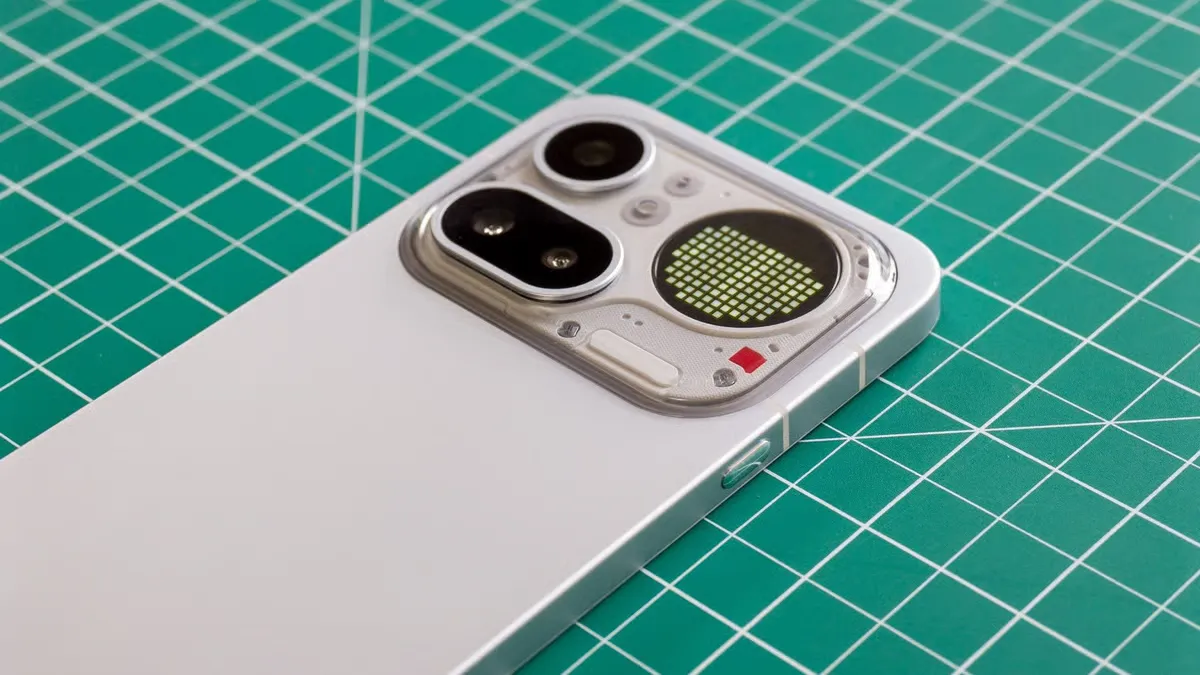
Speculation surrounding Nothing gained momentum after reports suggested that the company was planning to exit more than a dozen international markets because of declining shipments. The reports also claimed that the company was implementing widespread layoffs across multiple departments and questioned the commercial performance of its latest budget smartphone, the Phone (4b).
As these claims spread rapidly across technology websites and social media platforms, many users began questioning the future of the relatively young smartphone brand. Since Nothing has built its reputation on distinctive product design and community engagement, the reports generated significant attention among customers and industry observers.
Nothing Officially Denies the Claims
In response to the speculation, Nothing co-founder Akis Evangelidis publicly rejected the reports, describing them as "fake news." He clarified that the company is not shutting down operations in any market and dismissed claims suggesting weak sales for the Phone (4b). According to the company, the Phone (4b) recorded more than 29,000 sales on its first day alone, making it one of the strongest launches in its price category.
The company stressed that its current focus is on organisational restructuring designed to improve operational efficiency rather than reducing its global presence.
Restructuring Does Not Mean Shutting Down
Corporate restructuring is common among technology companies operating in highly competitive industries.
Businesses regularly reorganise internal teams, modify reporting structures, introduce new departments, and consolidate operations to improve efficiency. These changes are often part of long-term strategic planning rather than indications of financial instability.
Nothing explained that it is creating dedicated business units, including an AI-focused division, while consolidating certain country operations into regional hubs. According to the company, these changes are intended to support its next phase of growth rather than reduce its international ambitions.
The Reality Behind Layoffs
Although Nothing denied reports of massive workforce reductions, the company acknowledged that restructuring has affected certain positions.
Company officials stated that some employees have been impacted during the reorganisation process. However, they argued that publicly circulated figures regarding layoffs were significantly exaggerated.
Nothing also stated that decisions affecting employees are taken carefully and that the company remains committed to supporting team members through the transition while complying with local employment regulations.
Why Technology Companies Restructure
The global technology industry has experienced significant changes over the past few years.
Higher component prices, economic uncertainty, changing consumer demand, and increased investment in artificial intelligence have encouraged many companies to reassess their organisational structures.
Restructuring allows businesses to allocate resources more efficiently, reduce duplication, improve decision-making, and invest in emerging technologies.
Several major technology companies have implemented similar organisational changes while continuing to expand their products and services.
Rising Component Costs Continue to Challenge Smartphone Brands
The smartphone market has become increasingly difficult because manufacturers face rising production costs.
Memory chips, processors, display panels, camera components, batteries, and logistics expenses have all become more expensive in recent years.
Nothing's leadership has previously discussed how memory prices have increased significantly, creating pressure for companies competing in the mid-range smartphone segment. These industry-wide cost increases have influenced product planning and pricing strategies.
As a result, smartphone companies must carefully balance affordability, innovation, and profitability.
The Importance of Artificial Intelligence
One of the most notable aspects of Nothing's announcement is its focus on artificial intelligence.
The company confirmed that it is establishing an AI-native business unit as part of its restructuring strategy. This reflects a broader industry trend in which smartphone manufacturers are increasingly integrating AI into software, productivity features, photography, personal assistants, and user experiences.
Artificial intelligence is becoming a major competitive factor in the smartphone market, with consumers expecting smarter devices capable of delivering personalised experiences.
Phone (4b) Performance Becomes Part of the Debate
Another claim disputed by Nothing involved the commercial performance of its latest smartphone.
Reports had suggested disappointing sales numbers for the Phone (4b). The company rejected these claims and stated that the device achieved over 29,500 first-day sales, describing the launch as a record within its price category.
Product performance plays an important role in shaping investor confidence and consumer perception, making accurate sales information especially significant.
The Role of Social Media in Spreading Business Rumours
The Nothing controversy demonstrates how rapidly business rumours can spread online.
Information shared on social media platforms often reaches millions of users within hours. Without official clarification, speculation can quickly influence customer confidence, employee morale, and market perception.
For businesses, responding promptly with accurate information has become increasingly important in maintaining trust.
Consumers also benefit from verifying reports through official company statements rather than relying solely on unverified online discussions.
Challenges Facing Emerging Smartphone Brands
Unlike long-established smartphone manufacturers, newer companies often operate with fewer financial resources while competing against global giants.
Brands such as Nothing must invest heavily in research, software development, marketing, supply chains, customer service, and product innovation.
Balancing these investments while maintaining competitive pricing is one of the industry's biggest challenges.
Strategic restructuring may therefore become necessary as companies adapt to changing market conditions.
Consumer Confidence Remains Important
Smartphone buyers often consider long-term software support, warranty services, product availability, and company stability before purchasing a device.
Rumours suggesting market exits or business closures can influence purchasing decisions even when they are inaccurate.
By publicly rejecting shutdown reports, Nothing aimed to reassure existing customers, future buyers, retail partners, and investors that the company remains committed to its long-term business plans.
Maintaining consumer confidence is particularly important for growing technology brands seeking to expand internationally.
The Future Direction of Nothing
Nothing continues to position itself as a design-focused technology company that combines minimalist hardware with clean software experiences.
Its strategy increasingly includes artificial intelligence, ecosystem expansion, and improved operational efficiency.
While organisational restructuring may involve difficult decisions internally, the company's leadership insists these changes are designed to strengthen long-term competitiveness rather than reduce its global footprint.
The coming years will likely determine how successfully Nothing can compete within an increasingly crowded smartphone industry while continuing to introduce distinctive products.
Conclusion
The recent shutdown rumours surrounding Nothing generated widespread discussion, particularly following speculation about changes within other smartphone brands. However, the company has clearly denied claims that it is exiting international markets, explaining that it is instead reorganising its operations to support future growth and improve efficiency. It has also disputed reports questioning the performance of the Phone (4b), stating that the device achieved strong first-day sales.
The episode highlights the importance of verifying information before accepting viral claims. In today's fast-moving technology industry, restructuring has become a common business strategy for improving efficiency and preparing for future innovation. As Nothing invests in artificial intelligence and streamlines its operations, its response suggests that the company is focusing on long-term growth rather than retreating from the global smartphone market.
wellnessfitgo wellnessfitgo wellnessfitgo wellnessfitgo wellnessfitgo wellnessfitgo wellnessfitgo wellnessfitgo wellnessfitgo wellnessfitgo wellnessfitgo wellnessfitgo wellnessfitgo wellnessfitgo wellnessfitgo wellnessfitgo wellnessfitgo wellnessfitgo wellnessfitgo wellnessfitgo wellnessfitgo wellnessfitgo wellnessfitgo wellnessfitgo wellnessfitgo wellnessfitgo wellnessfitgo wellnessfitgo wellnessfitgo wellnessfitgo wellnessfitgo wellnessfitgo wellnessfitgo wellnessfitgo wellnessfitgo wellnessfitgo wellnessfitgo wellnessfitgo wellnessfitgo wellnessfitgo wellnessfitgo wellnessfitgo wellnessfitgo wellnessfitgo wellnessfitgo wellnessfitgo wellnessfitgo wellnessfitgo wellnessfitgo wellnessfitgo wellnessfitgo wellnessfitgo wellnessfitgo wellnessfitgo wellnessfitgo wellnessfitgo wellnessfitgo wellnessfitgo wellnessfitgo wellnessfitgo wellnessfitgo wellnessfitgo wellnessfitgo wellnessfitgo wellnessfitgo wellnessfitgo wellnessfitgo wellnessfitgo wellnessfitgo wellnessfitgo wellnessfitgo wellnessfitgo wellnessfitgo wellnessfitgo wellnessfitgo wellnessfitgo wellnessfitgo wellnessfitgo wellnessfitgo wellnessfitgo wellnessfitgo wellnessfitgo wellnessfitgo wellnessfitgo wellnessfitgo wellnessfitgo wellnessfitgo wellnessfitgo wellnessfitgo wellnessfitgo wellnessfitgo wellnessfitgo wellnessfitgo wellnessfitgo wellnessfitgo wellnessfitgo wellnessfitgo wellnessfitgo wellnessfitgo wellnessfitgo wellnessfitgo wellnessfitgo wellnessfitgo wellnessfitgo wellnessfitgo wellnessfitgo wellnessfitgo wellnessfitgo wellnessfitgo wellnessfitgo wellnessfitgo wellnessfitgo wellnessfitgo wellnessfitgo wellnessfitgo wellnessfitgo wellnessfitgo wellnessfitgo wellnessfitgo wellnessfitgo wellnessfitgo wellnessfitgo wellnessfitgo wellnessfitgo wellnessfitgo wellnessfitgo wellnessfitgo wellnessfitgo wellnessfitgo wellnessfitgo wellnessfitgo wellnessfitgo wellnessfitgo wellnessfitgo wellnessfitgo wellnessfitgo wellnessfitgo wellnessfitgo wellnessfitgo wellnessfitgo wellnessfitgo wellnessfitgo wellnessfitgo wellnessfitgo wellnessfitgo wellnessfitgo wellnessfitgo wellnessfitgo wellnessfitgo wellnessfitgo wellnessfitgo wellnessfitgo wellnessfitgo wellnessfitgo wellnessfitgo wellnessfitgo wellnessfitgo wellnessfitgo wellnessfitgo wellnessfitgo wellnessfitgo wellnessfitgo wellnessfitgo wellnessfitgo wellnessfitgo wellnessfitgo wellnessfitgo